Afrički kraljevi

ludi-hrcak

Obećava
Banovan
Poruka
85
ovoje sadasnji kralj to jest svrgnuti ruande kingeli V :

kigali-v-ndahindurwa.jpg


kao sto vidimo i afrika je imala ili ima kraljeve dakle i tamo postoji neki oblik plemstva ali su ih kolonizatori rasturili .
 
Bilo je u Africi itekako razvijenih i bogatih civilizacija koja su stara i po nekoliko hiljada godina , a o kojima se veoma malo zna i tek se zna mozda ponesto u nekim tragovima.
Ti narodi su imali umetnost , organizovan sistem obrazovanja i zdravestvene nege, trgovinu i ostalo jos mnogo mnogo pre pojave belih kolonizatora , cak su negde pronadjeni i arheoloski ostaci necega za sta se veruje da je bio prvi univerzitet na svetu ikad (mislim negde u istocnoj Africi), takodje ima dokaza da su se vrsile i odredjene hirurske intervencije (naravno samo ne tako sofisticirane kao danas)
Nazalost sa pojavom belim kolonizatora ti tragovi su dobrim delom i unisteni , recimo bilo je slucajeva da su beli kolonizatori "krali" znanje od lokalnih africkih samana i narodih mudraca , da su tragali za njima, okupljali ih , provodili izvesno vreme sa njima a onda kako su im ovi preneli odredjena znanja odmah nakon toga bili su pobijeni.
 
Bilo je u Africi itekako razvijenih i bogatih civilizacija koja su stara i po nekoliko hiljada godina , a o kojima se veoma malo zna i tek se zna mozda ponesto u nekim tragovima.
Ti narodi su imali umetnost , organizovan sistem obrazovanja i zdravestvene nege, trgovinu i ostalo jos mnogo mnogo pre pojave belih kolonizatora , cak su negde pronadjeni i arheoloski ostaci necega za sta se veruje da je bio prvi univerzitet na svetu ikad (mislim negde u istocnoj Africi), takodje ima dokaza da su se vrsile i odredjene hirurske intervencije (naravno samo ne tako sofisticirane kao danas)
Nazalost sa pojavom belim kolonizatora ti tragovi su dobrim delom i unisteni , recimo bilo je slucajeva da su beli kolonizatori "krali" znanje od lokalnih africkih samana i narodih mudraca , da su tragali za njima, okupljali ih , provodili izvesno vreme sa njima a onda kako su im ovi preneli odredjena znanja odmah nakon toga bili su pobijeni.

Sem Etiopije, Tada se drzava zvala Abisinija u Africi pre dolaska kolonizatora nije bilo organizovanih drzava, Sever Afrike je druga prica.
 
Bilo ih je itekako , pogotovo na zapadu Afrike , sad kad kazes 'drzava" mozda nije bilo drzava u danasnjem smislu , ali je bilo kraljevstava , civilizacija i veoma razvijenih drustava za ono vreme, bavili su se organizovanom poljoprivredom , trgovinom, umetnoscu , imali su cak i organizovan sistem obrazovanja i zdravstvene zastite.
 
Sem Etiopije, Tada se drzava zvala Abisinija u Africi pre dolaska kolonizatora nije bilo organizovanih drzava, Sever Afrike je druga prica.

Ma nije tačno; samo zbog toga što je Etiopija jedina nadživjela nije razlog da se sve države koje su nestale u kolonizatorskom zanosu preskaču.

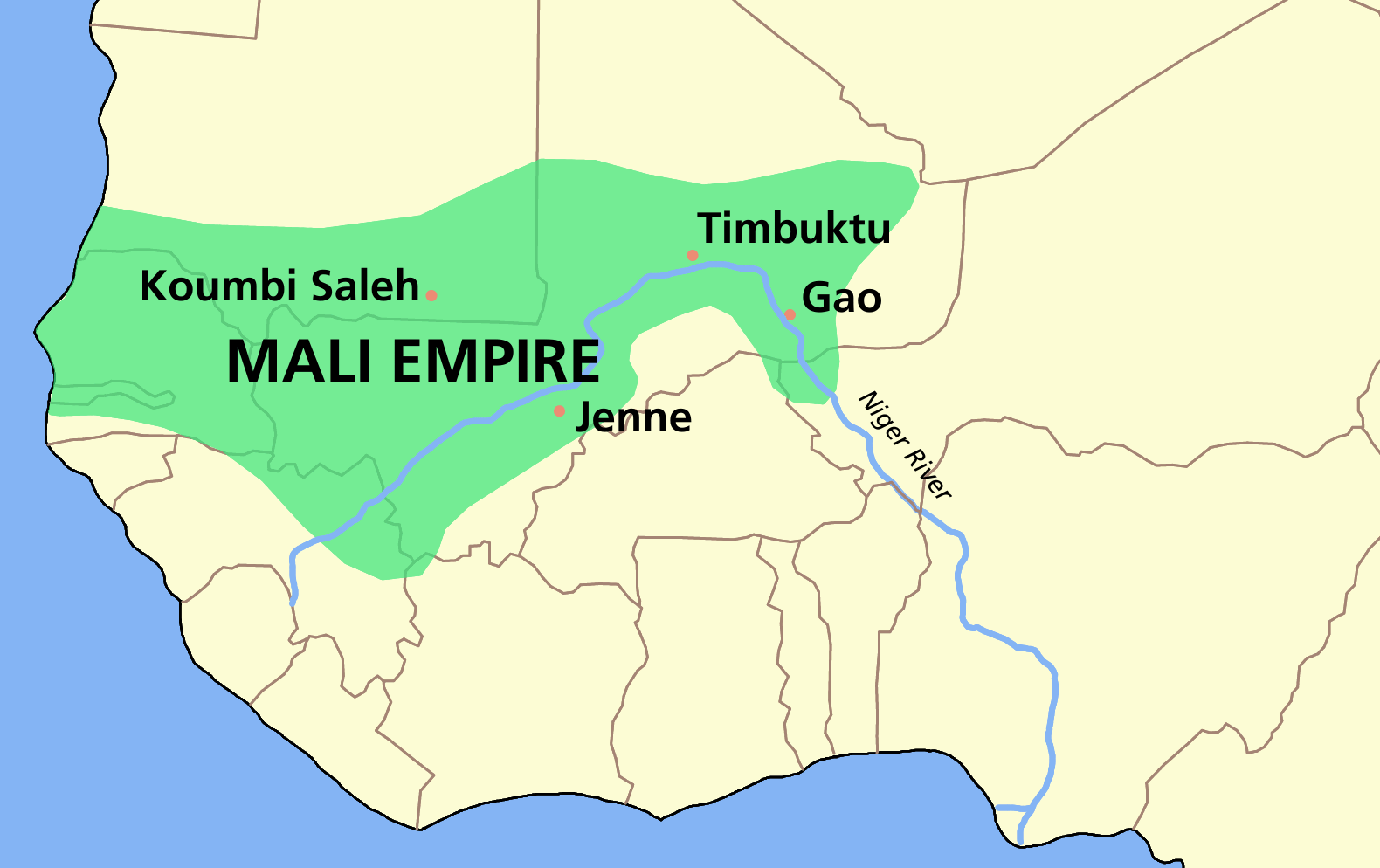
Šta je sa carstvom Mali?

MALI_empire_map.PNG


Prestonica Malija (Niani):

Niani_uchodcy-1.gif


Timbuktu je bio veliki kulturni centar Afrike; sa bibliotekom, pisarnicom, itd...

mosq-1.jpg
 
Седам већих краљевина помиње се у време до 13.века, моћних као што су биле Персија, Рим или Кина.


Axum Empire(now Eritrea and northern Ethiopia)
Kingdom of Ghana (what is today Senegal and Mauritania)
Mali Empire (what is today Niger and Mali)
Songhai Empire (By 1500, the Songhai Empire covered over 1.4 million square kilometers.)
Ethiopian Empire - Abyssinia( present-day northern half of Ethiopia)
Mossi Kingdoms (number of different powerful kingdoms in modern-day Burkina Faso)
Benin Empire (today modern African city in what is now south-central Nigeria)

http://atlantablackstar.com/2013/12/05/7-midieval-african-kingdoms/

Краљевство Мали је основао краљ Сунђата Кејита, познатији само као Манса, што уствари и значи Владар.. Његово име значи Краљ лавова (Лајнкинг), тако данас тумаче јер у имену Сунђата, "ђата" значи лав.Ми онда имамо лавовске краљеве на сваком кораку Борис-лав,Станис-лав, Мирос-лав, Владис-лав итд..;)
http://kwekudee-tripdownmemorylane.blogspot.com/2012/09/king-sundiata-keita-lion-king-and.html


Мали је прославио је (десети по реду) краљ Манса Муса. који је примио ислам.Обишао је Меку, заједно са 60 000 пратилаца.
Mansa-Musa.jpg


Чак и по данашњим стандардима, Манса Муса је био најбогатији човек света, иако му нису далеко фамилија Ротшилд и Рокфелер.
Picture-1.png

http://www.thatswhatsgoodmedia.com/mansa-musa-richest-human-world/
 
Poslednja izmena:
Стварно је било много великих краљева у Африци..Од свих територија света, само још креирана Кроација не може да се похвали ни краљем ни краљевима ;)


За Краљевство Аксум се дуго држало да су га основали Саби који су прешли преко Црвеног мора из Јужне Арабије (данашњи Јемен ) на територију Етиопије.Једна од легенди је да је прамајка, оснивачица државе, била Сапкиња по имену Македа. Аксумско царство (староетиопски:Mangiśta Aksum), била је важна држава у североисточној Африци, која је свој успон и раст отпочела од 4. веку п. н. е. да би свој зенит досегла у 1. веку наше ере.
Држали су и предисламску Меку
Axum-trade-e1382762323678.jpg


Први су примили хришћанство, у време владара (око 325. или 328.) краља Езана ..(раније се практиковао политеизам у којем је Астар био главно божанство.) Краља Езана II преобратио је на хришћанство његов роб-учитељ Свети Фруменције, оснивач Етиопске православне цркве, бискуп кога је послала Александрија.
Имали су сопствени новац и ковнице, и сопствени алфабет, мада је више језика било у оптицају.

ezanas.png


tumblr_mt0j9xRJxt1qgfbgio1_1280.jpg


Кад су у Меки, почетком 6.века, почели Јевреји (под вођством Јусуф Ашара) да прогањају и усмрћују хришћане, аксумски краљ Калеб послао је своју војску преко Црвеног мора.Аксумски генерал Абраха повео је 100 000 ратника, стотинак слонова и разбио химарску војску, те био проглашен гувернером запоседнуте земље (данашњи Јемен). Исламски извори цитирају да је 570.године исти тај генерал аксумске војске, освојио Меку, исте године кад је, по предању Мохамед рођен и тумаче то хришћанским покушајем да се потре паганска предисламистичка религија.
http://atlantablackstar.com/2013/10...rab-kingdoms-dominated-africans-rise-islam/5/
http://sr.wikipedia.org/wiki/Краљевство_Аксум
http://www.metmuseum.org/toah/hd/aksu_1/hd_aksu_1.htm
 
Poslednja izmena:
За Краљевство Аксум се дуго држало да су га основали Саби који су прешли преко Црвеног мора из Јужне Арабије (данашњи Јемен ) на територију Етиопије.Једна од легенди је да је прамајка, оснивачица државе, била Сапкиња по имену Македа. Аксумско царство (староетиопски:Mangiśta Aksum), била је важна држава у североисточној Африци, која је свој успон и раст отпочела од 4. веку п. н. е. да би свој зенит досегла у 1. веку наше ере.

evo malo glasnog razmišljanja...možda pomogne...

Sabeani

The Sabaeans were mentioned in the Quran twice قوم سبأ people of Saba. The Qur'an, mentions the kingdom of the Saba in the 34th Chapter. The Qur'anic narrative, from sura 27 (An-Naml),[5] has Suleiman (Solomon) getting reports from the Hoopoe bird about the kingdom of Saba, ruled by a queen whose people worship the sun instead of God.
http://en.wikipedia.org/wiki/Sabeans

dakle to su ljudi koji obožavaju sunčevu svetlost....
u zapadnom delu zemlje je grad Kartum a u istočnom grad Saba

zanimljivo nešto severnije i kasnije stanovnici feničanskog grada Tir (čita se kao Sur /Suru u tom delu sveta) dali su grad i državu Kartagenu

u centralnoj Aziji i dan danas postoji naziv Sart i beli Sart
od Taurusa pa do Kaspijskog jezera danas žive Kurdi. a na istok odatle Sart ljudi centralne Azije i bliskog istoka...


srodne zemlje / narodi koji idu u parovima

Kartum i Saba
Kartagena i Sirija
Kurdi i Sart
Khorasan i Serica
Hirri i Scirii
Helvetti i Scordisci
Hrvati i Srbi

pomalo podseća na kentum/satem razlike u imenima...ali je mislim ipak nešto drugo -dan i noć tj. istok i zapad...

naročito ako znamo da se u antičkim izvorima ne pominju Kurdi nego Kurti...a pre toga Huriti
naravno zapisana imena su uvek i stvar jezika koji ih zapisuje...
npr. reku Haeravanta Grci su zapisivali kao Orontes i ostaje nam da se pitamo da li su Orineani koji na kaspijskim visoravnima živeli zapadno od Serba i tik do njih bili ustvari Haervanti ili nešto slično....

tako da je moguće i da je izvorno isto ime npr. Šaerdi /Šaerdana dobilo oblike Sart/Sardi /Kurdi /Sarve /Sirbi /Serbi itd. neke u stvarnom narodima izvedenim iz prvobitne mase a neke samo u zapisu jezika na kome su pisali istoričari....


teško je reći npr. koje je sopstveno ime Šaerdana ljudi za kojima je na sinajskom poluostrvu (tj. blizu severnih obala Crvenog mora) ostao toponim Serbonis...
i da li su potomci Šerdana i Sabeana iliti Saba bili upravo oni Senekini Serijani koji krvavo vladaju Crvenim morem a inače žive i oko Dunava i na kaspijskim visoravnima među Sarmatima i u zemlji Serica u centralnoj Aziji
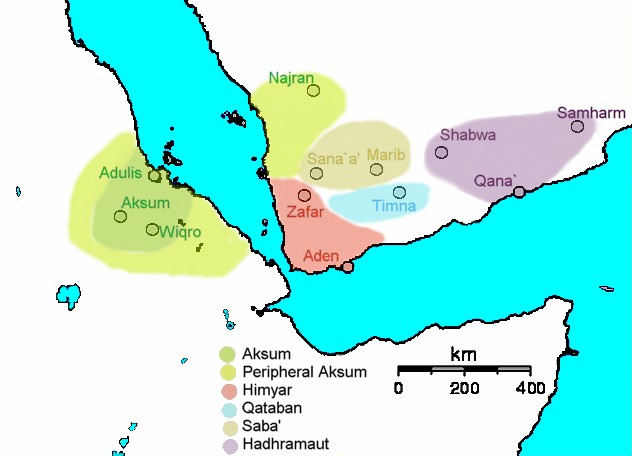
Map_of_Aksum_and_South_Arabia_ca._230_AD.jpg


Sart is a name for the settled inhabitants of Central Asia and the Middle East, which has had shifting meanings over the centuries. Sarts, known sometimes as Ak-Sart ("White Sart") in ancient times, did not have any particular ethnic identification, and were usually (though not always) town-dwellers.
...
13-th century Mongolian source, "Secret History of the Mongols" states that the Mongols called people from Central Asia, most notably Khwarezm, as "Sartuul". "Sar" in Mongolian means "moon", hence sart or sarta would mean "ones with (flag with) moon",
...
In the post-Mongol period we find that Ali Sher Nawa'i refers to the Iranian people as "Sart Ulusi" (Sart Ulus, i.e. Sart people), and for him "Sart tili" (Sart language) was a synonym for the Persian language.
....
In June 2010 The term "SART" was used in ethnic conflict between Kirghiz and Uzbeks on Southern Kirghistan to indicate less mongoloid race, Uzbeks from Kirghiz.
...
Interestingly, the Muslim, Mongol-speaking Dongxiang people of Northwestern China call themselves Sarta or Santa. It is not clear if there is any connection between this term and the Sarts of Central Asia.
http://en.wikipedia.org/wiki/Sart

The modern Uzbek people are believed to have both Iranian and Turkic ancestry. "Uzbek" and "Tajik" are modern designations given to the culturally homogeneous, sedentary population of Central Asia. The local ancestors of both groups – the Turkic-speaking Uzbeks and the Iranian-speaking Tajiks – were known as "Sarts" ("sedentary merchants") prior to the Russian conquest of Central Asia, while "Uzbek" or "Turk" were the names given to the nomadic and semi-nomadic populations of the area. Still today, modern Uzbeks and Tajiks are known as "Sarts" to their Turkic neighbours, the Kazakhs and the Kyrgyz. The ancient Soghdians and Bactrians are among their ancestors.
http://en.wikipedia.org/wiki/Iranian_peoples

Seneka u delu Thyestes piše o hrabrim Serijanima koji vladaju Skitima, žive na Dunavu, žive u zemlji odakle dolazi svila (Serica danas severoistočna Kina i Sogdiana gde žive Sart i Sarta, a u širem smislu i luk odatle do Indije - otprilike tamo gde danas žive paštunski Sarbani), žive na Kaspijskim visoravnima (kao i Serbi koje beleži Plinije) ali i na Crvenom moru (kao Sabeani mnogo ranije) kojim surovo vladaju...

[369] Though kings should gather themselves together, both they who vex the scattered Scythians and they who dwell upon the Red Sea’s marge, who hold wide sway o’er the blood-red main with its gleaming pearls, they who leave unguarded26 the Caspian heights to the bold Sarmatians; though he strive against him, who dares on foot to tread the Danube’s waves27 and (whersoe’er they dwell,) the Serians28 for fleeces famous – ‘tis the upright mind that holds true sovereignty. He has no need of horses, none of arms and the coward weapons which the Parthian hurls from far when he feigns flight, no need of engines hurling rocks, stationed to batter cities to the ground. A king is he who has no fear; a king is he who shall naught desire. Such kingdom on himself each man bestows.
http://www.theoi.com/Text/SenecaThyestes.html

Plinije Stariji nam pak kaže da se ovi ljudoi zovu Serve
They also informed us that the side of their island which lies opposite to India is ten thousand stadia in length, and runs in a south-easterly direction—that beyond the Emodian Mountains they look towards17 the Serve, whose acquaintance they had also made in the pursuits of commerce; that the father of Rachias had frequently visited their country, and that the Seræ always came to meet them on their arrival. These people, they said, exceeded the ordinary human height, had flaxen hair, and blue eyes, and made an uncouth sort of noise by way of talking, having no language of their own for the pur- pose of communicating their thoughts.
http://www.perseus.tufts.edu/hopper/text?doc=Perseus:text:1999.02.0137:book=6:chapter=24&highlight=seres

kineski izvori nam pak kažu da su ovi Seres / Sart ljudi u stvari nosili ime Serbi/Sirbi
tj da su “Shiwei” “Xianbei” zapisani i kao “Sian-pie,” “Serbi,” “Sirbi” and “Sirvi”.
[Zhang, Jiuhe [张久和] (1998). Yuan Menggu ren de li shi: Shiwei--Dada yan jiu [History of the Original Mongols: research on Shiwei-Dadan] 原蒙古人的历史: 室韦--达怛研究. Beijing [北京], Gao deng jiao yu chu ban she [High Education Press] 高等教育出版社. pp. 27–28.]

Pomponijus Mela nam pak kaže da Seres žitelji zemlje Serice žive od Taurusa do Tibeta između Skita i Persijanaca... jasno je da su za njega Kurdi i Sarti isti etnos - Seres tj. Serijani....ovo možemo shvatiti i tako da je Seriani nadime dok su Kurdi/Kurti/Huriti i Sart/Sarve plemena

na kraju bavarski geograf nam kaže da su Zeriuani pleme koje je držalo prostranstva tako velika da iz njih dolaze svi Sloveni...

 
Poslednja izmena:
The Kingdom of Aksum or Axum, also known as the Aksumite Empire, was an important trading nation in the area of northern Ethiopia and Eritrea,[2] which existed from approximately 100–940 AD. It grew from the proto-Aksumite Iron Age period c. 4th century BC to achieve prominence by the 1st century AD, and was a major player in the commerce between the Roman Empire and Ancient India.
...
Its ancient capital, also called Aksum, was in northern Ethiopia. The Kingdom used the name "Ethiopia" as early as the 4th century.[4][5] It is also the alleged resting place of the Ark of the Covenant and the purported home of the Queen of Sheba.[6]
....
The Empire of Aksum at its height at times extended across most of present-day Eritrea, northern Ethiopia, Western Yemen, southern Saudi Arabia and Sudan.
...
Covering parts of what is now northern Ethiopia and Eritrea, Aksum was deeply involved in the trade network between India and the Mediterranean (Rome, later Byzantium), exporting ivory, tortoise shell, gold and emeralds, and importing silk and spices.[citation needed] Aksum's access to both the Red Sea and the Upper Nile enabled its strong navy to profit in trade between various African (Nubia), Arabian (Yemen), and Indian states.

The main exports of Aksum were, as would be expected of a state during this time, agricultural products. The land was much more fertile during the time of the Aksumites than now, and their principal crops were grains such as wheat and barley. The people of Aksum also raised cattle, sheep, and camels. Wild animals were also hunted for things such as ivory and rhinoceros horns. They traded with Roman traders as well as with Egyptian and Persian merchants. The empire was also rich with gold and iron deposits. These metals were valuable to trade, but another mineral was also widely traded. Salt was found richly in Aksum and was traded quite frequently.
...
Before its conversion to Christianity, the Aksumites practiced a polytheistic religion related to the religion practiced in southern Arabia. This included the use of the crescent-and-disc symbol used in southern Arabia and the northern horn.[16] In the UNESCO sponsored General History of Africa French archaeologist Francis Anfray. suggests that the pagan Aksumites worshipped Astar, his son, Mahrem, and Beher.[17]
...
Ethiopian sources such as the Kebra Nagast and the Fetha Nagast[citation needed] describe Aksum as a Jewish Kingdom. The Kebra Nagast contains a narrative of how the Queen of Sheba/Queen Makeda of Ethiopia met King Solomon and traces Ethiopia's to Menelik I, her son by King Solomon of Israel. In its existing form the Kebra Nagast is at least 700 years old and is considered by many Orthodox Christians to be an inspired and a reliable work.
http://en.wikipedia.org/wiki/Kingdom_of_Axum

Attar (Aramaic); Athtar (South Arabia); Astar (Abyssinia); Ashtar (Moab); Ashtar(t) (Canaan); Ishtar (Assyro-Babylonian)[1] is the god of the morning star in western Semitic mythology. In Canaanite legend, he attempts to usurp the throne of the dead god Baal Hadad but proves inadequate. In semi-arid regions of western Asia he was sometimes worshipped as a rain god. His female counterpart is the Phoenician Astarte.
http://en.wikipedia.org/wiki/Astar_(god)
 

Back
Top